Health-Conscious Chocolate Options You’ll Love: The Healthiest Chocolate to Buy and Enjoy
Health-conscious chocolate blends pleasure with purpose: choosing bars and confections that deliver antioxidants, lower sugar, and transparent sourcing so you can enjoy flavor without compromising health. This guide explains what “health-conscious chocolate” means, how high-cacao dark bars deliver flavonoid-driven cardiovascular and cognitive benefits, why sugar-free and vegan formulations matter for specific diets, and how ingredient choices alter glycemic impact and gut effects. Many readers want clear buy-and-eat guidance—what cacao percentage to pick, which sweeteners are safest, and how to read labels for heavy-metal testing or certifications. This article maps the best chocolate types, evidence-backed health benefits, ingredient watchlists, mindful ways to include chocolate in your diet, product selection advice, and answers to common questions. Along the way you’ll find comparison tables, practical shopping lists, and quick recipes so you can pick and enjoy health-forward chocolate choices confidently.
What Are the Best Types of Health-Conscious Chocolate to Choose?
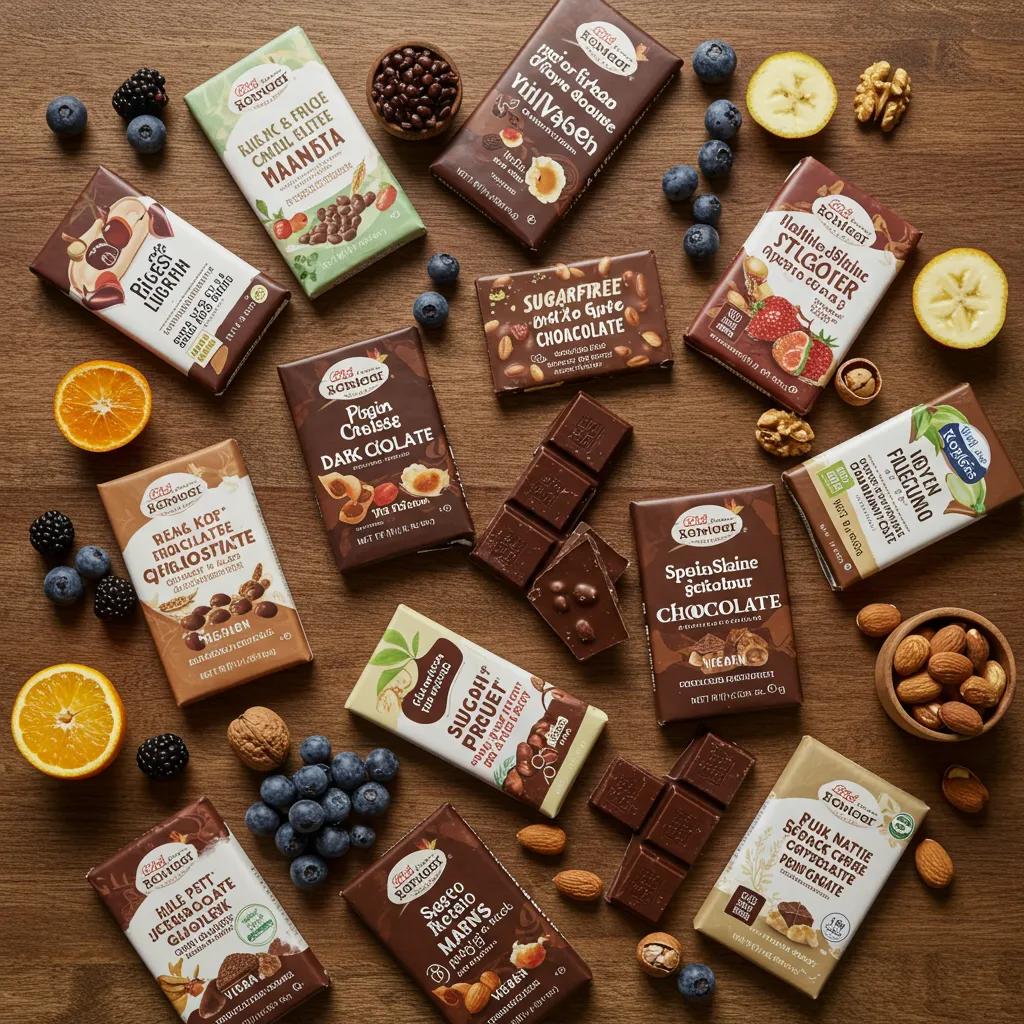
Health-conscious chocolate categories include high-cacao dark bars, sugar-free formulations, vegan bars, keto-targeted products, and organic-certified options; each category emphasizes different health features like antioxidants, low glycemic impact, or sustainable farming. High-cacao dark chocolate concentrates flavonoids that support endothelial function, while sugar-free chocolates swap added sugars for alternative sweeteners to reduce post-meal glucose spikes. Vegan options remove dairy and often use plant fats, appealing to those with lactose sensitivity or ethical preferences, whereas keto bars prioritize minimal net carbs and higher fat to fit ketogenic macros. Organic chocolate focuses on reduced pesticide exposure and environmental stewardship, which some consumers equate with cleaner ingredient sourcing and traceability. Understanding these types helps match chocolate to goals such as cardiovascular support, diabetic-friendly snacking, plant-based diets, or low-carb living.
This table compares the main chocolate types to help match a choice to dietary goals and health benefits.
| Chocolate Type | Key Feature | Best For |
|---|---|---|
| Dark chocolate (70%+ cacao) | High flavonoid/antioxidant density | Heart health, antioxidants, mood |
| Sugar-free chocolate | Natural zero-cal sweeteners or sugar alcohols | Diabetic-friendly, low-sugar snacking |
| Vegan chocolate | No dairy; plant-based fats | Lactose-free diets, ethical consumers |
| Keto chocolate bars | Low net carbs; higher fat | Ketogenic diet adherence, low-carb snacks |
| Organic chocolate | Certified organic cacao & processing | Reduced pesticide exposure, sustainability-minded buyers |
This EAV comparison highlights which chocolate types align with common health goals and helps readers prioritize label signals like cacao percentage, sweetener type, and certifications.
What Makes Dark Chocolate with High Cacao Content the Healthiest Choice?

High-cacao dark chocolate (commonly defined as 70% cacao or greater) concentrates cacao solids that contain flavonoids, which modulate nitric oxide signaling and support vascular function. These bioactive compounds exert antioxidant and anti-inflammatory effects, contributing to modest reductions in systolic blood pressure and improvements in endothelial function in aggregated clinical studies. For practical shopping, look for clear cacao percentage labeling, minimal added sugar, and short ingredient lists dominated by cocoa liquor and cocoa butter rather than many emulsifiers or sweeteners. Portion guidance matters: modest daily servings (for example, a small square providing 10–20 g) balance potential cardiovascular benefits with calorie control, and reading serving sizes avoids unintentionally exceeding recommended intake.
The beneficial effects of flavonoids on cardiovascular health are largely attributed to their interaction with nitric oxide production and signaling pathways.
Flavonoids and Nitric Oxide: Cardiovascular Health Benefits
One of the main mechanisms by which dietary flavonoids are thought to influence cardiovascular disease isviaprotection of the bioactivity of the endothelium-derived nitric oxide (NO). Additionally, flavonoids may also interfere with the signalling cascades of inflammation and prevent overproduction of NO and its deleterious consequences in shock and ischemia-reperfusion injury. In the present paper we review the evidence of the effects of flavonoids on NO.
Modulation of nitric oxide by flavonoids, J Duarte, 2014
Choosing a high-cacao bar also reduces added sugar while increasing fiber and mineral content, which supports both satiety and nutrient density. Understanding how cacao percentage shifts macronutrients helps consumers align chocolate choices to health outcomes.
How Do Sugar-Free Chocolate Options Support Low-Sugar and Diabetic Diets?
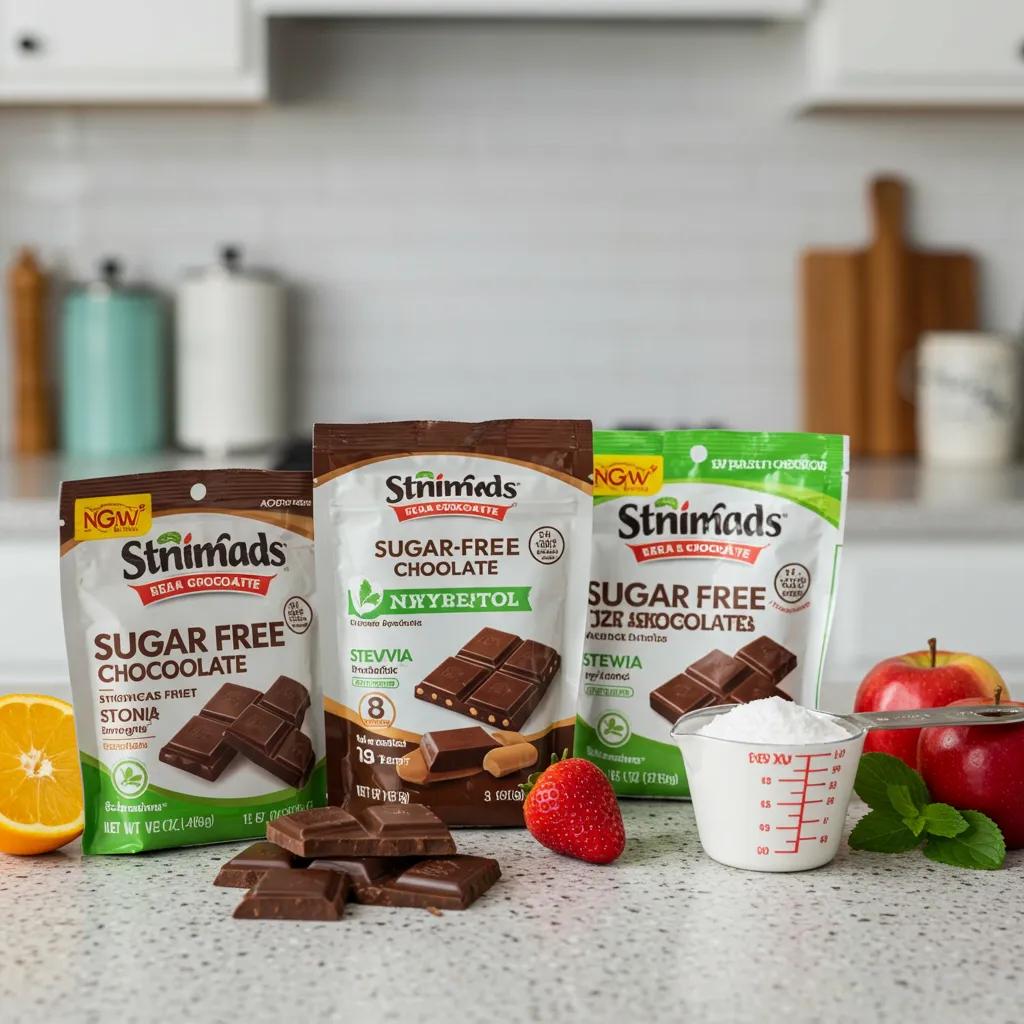
Sugar-free chocolate replaces table sugar with low- or zero-glycemic sweeteners like stevia, monk fruit, erythritol, or allulose, lowering immediate glycemic response and making portions more compatible with blood glucose goals. Each sweetener has a distinct profile: stevia and monk fruit contribute negligible calories and glycemic effect; erythritol and allulose mimic sugar’s texture with minimal impact on blood glucose but can cause digestive symptoms in sensitive individuals. For diabetics, focusing on net carbohydrates and total carbohydrate per serving is as important as the sweetener listed, and consulting a healthcare provider before making dietary changes is prudent. A practical buying checklist includes checking total carbs, fiber, and sugar alcohol grams, and preferring products that state serving sizes clearly.
Label literacy empowers safer choices: when a product lists polyols or “sugar-free,” verify the complete nutrition panel and consider tolerance for sugar alcohols before regular consumption.
Which Vegan Chocolate Brands Offer the Best Health Benefits?
Vegan chocolate removes dairy ingredients and often substitutes plant-based milks or extra cocoa butter to maintain texture, which can lower saturated fat relative to milk chocolate depending on formulation. Health-minded vegan bars emphasize minimal ingredient lists—cacao, cocoa butter, natural sweeteners—and may prioritize organic or Fair Trade sourcing. Watch for added sugars or coconut oil that can increase saturated fat; choose bars with higher cacao percentages to boost flavonoids and fiber while reducing sugar content. Certifications such as vegan labeling, allergen controls, and clear ingredient sourcing help identify high-quality vegan chocolates.
Selecting vegan chocolate with a short ingredient list and controlled sugar content balances animal-free ethics with meaningful nutritional benefits.
What Are the Benefits of Keto-Friendly Chocolate Bars?
Keto-friendly chocolate bars formulate for low net carbs—often targeting 1–5 g net carbs per serving—by using sugar alcohols or zero-calorie sweeteners and increasing fat via cocoa butter or added MCTs. These bars support ketosis when total daily carbohydrate targets are adhered to and can serve as a convenient snack to curb cravings without inducing glucose spikes. Taste tradeoffs are common: formulations that use erythritol or allulose better mimic sugar’s mouthfeel, while pure stevia blends may have more pronounced aftertastes. For keto consumers, prioritize bars that show net carbs clearly, list total fiber and sugar alcohols, and avoid hidden sources of starch or maltodextrin that raise glycemic load.
When choosing keto chocolate, confirm that the bar’s macronutrient ratio fits your personal ketogenic targets and that portioning maintains overall daily carb limits.
Why Choose Organic Chocolate for Health and Sustainability?
Organic chocolate certification ensures cacao beans and processing avoid most synthetic pesticides and fertilizers, potentially lowering pesticide residue exposure and supporting soil health and biodiversity. Certified organic production often aligns with more transparent farming practices and can indicate better post-harvest handling, which influences both flavor and potential contaminant profiles. Organic premiums are common, so weigh organic certification against other health signals like cacao percentage and sugar content; organic does not automatically mean low-sugar or more nutritious. For sustainability-minded buyers, choosing organic chocolate alongside fair sourcing certifications combines environmental stewardship with social responsibility.
Consumers should evaluate organic certification as one factor among ingredient quality, testing transparency, and cacao percentage when prioritizing health and sustainability.
What Are the Key Health Benefits of Eating Health-Conscious Chocolate?
Health-conscious chocolate—especially high-cacao dark bars—delivers several evidence-backed benefits through flavonoids and related compounds that influence vascular function, oxidative stress, and mood. Flavonoids enhance nitric oxide availability, which supports vasodilation and modest blood pressure reductions, while polyphenols provide antioxidant effects that may protect endothelial health. Neuroactive components like theobromine and small amounts of caffeine can enhance alertness and mood, and fiber or prebiotic additions in some formulations support gut microbiome diversity. Practical serving guidance balances potential benefits with calories; a modest daily portion within an overall healthy diet is typically recommended.
The flavanol (-)-epicatechin, a key component found in cocoa, apples, and tea, has demonstrated dose-dependent recovery of endothelial function and a lowering of blood pressure through its influence on nitric oxide production.
Flavonoids and Nitrates for Cardiovascular Health and NO Production
There is accumulating evidence to support benefits of dietary flavonoids on cardiovascular health. Dose-dependent recovery of endothelial function and lowering of blood pressure have been reported for the flavanol (-)-epicatechin, found in cocoa, apples and tea, through production and availability of endothelial nitric oxide (NO).
Role of flavonoids and nitrates in cardiovascular health, JA Lovegrove, 2017
The following list summarizes primary mechanisms and outcomes linked to health-conscious chocolate consumption.
- Heart and vascular support: Flavonoids improve endothelial function and can reduce blood pressure modestly.
- Cognitive and mood benefits: Theobromine and phenylethylamine support alertness and short-term mood lifts.
- Gut and metabolic effects: Fiber and added prebiotics can favorably influence the microbiome and satiety.
How Does Dark Chocolate Improve Heart Health and Blood Pressure?
Dark chocolate rich in cacao flavonoids supports nitric oxide synthesis, promoting vasodilation and improved endothelial function that correlates with modest systolic blood pressure reductions in pooled analyses. Clinical meta-analyses show small but consistent blood pressure effects with regular consumption of flavonoid-rich cacao, although study heterogeneity and dose-response variability remain. Practical application favors daily, modest portions from bars labeled 70% cacao or higher, paired with overall dietary patterns that support cardiovascular health. It is important to view chocolate as an adjunct to, not a replacement for, established heart-healthy habits like exercise and blood-pressure management.
Balancing flavonoid dose with caloric intake ensures cardiovascular benefits without offsetting effects from excess sugar or saturated fat.
Can Chocolate Support Gut Health Through Prebiotics and Probiotics?
Certain chocolate formulations include added prebiotic fibers (inulin, resistant starch) or probiotic cultures intended to support gut microbes; prebiotic-fortified chocolate reliably provides fermentable substrates that can nourish beneficial bacteria. Probiotic chocolate products face stability challenges—maintaining viable colony-forming units through processing and shelf life requires specialized encapsulation and transparent reporting of strains and CFU counts. When evaluating gut-targeted chocolates, prefer products that disclose the type and amount of prebiotic fiber or provide stability data and strain-level information for probiotics. Realistic expectations are important: prebiotic additions are more reliably beneficial than probiotic claims unless the product documents viable delivery.
Selecting chocolates with clear prebiotic content and conservative probiotic claims helps align gut-health goals with evidence-based product choices.
What Effects Does Chocolate Have on Brain Function, Mood, and Stress Relief?
Cacao contains neuroactive compounds such as theobromine and trace phenylethylamine that can increase alertness and transiently improve mood, while flavonoids may influence cerebral blood flow and cognition in short-term studies. Evidence for long-term cognitive enhancement remains preliminary, but short-term improvements in attention and mood are commonly reported with moderate chocolate intake. To optimize cognitive effects without excess calories, choose dark chocolate with higher cacao content and limited added sugar, and consume in controlled portions during cognitively demanding periods. Mindful timing and pairing with protein or fiber can smooth energy delivery and reduce the risk of sugar-related crashes.
Moderate chocolate consumption can be a practical tool for brief cognitive and mood support when integrated into a broader nutritional strategy.
How Can Chocolate Aid in Weight Management and Energy Boost?
Higher-cacao, lower-sugar chocolate can increase satiety through bitter flavor cues, fiber, and a more intense sensory profile, which helps curb overeating when consumed mindfully in small portions. Theobromine and small amounts of caffeine provide a gentle stimulant effect that supports short-term energy and alertness without the larger insulin response of sugary snacks. For weight-conscious consumers, using chocolate as a planned, portion-controlled treat—paired with protein or fiber—can satisfy cravings while limiting overall calorie intake. Beware of marketing that equates “healthy chocolate” with unrestricted snacking; calories still count.
Integrating chocolate into meals or snacks with nutrient-dense companions helps preserve satiety and metabolic balance.
What Role Does Antioxidant-Rich Chocolate Play in Overall Wellness?
Antioxidant-rich chocolate supplies flavonoids that neutralize oxidative stress markers in vitro and correlate with improved biomarkers in some human studies, but antioxidant assay results do not always translate to clinical outcomes. Rather than relying on ORAC-style claims, choose higher-cacao bars with minimal processing and limited sugar to maximize physiologically relevant polyphenol intake. Pairing chocolate with a diet rich in fruits, vegetables, and whole grains amplifies antioxidant benefits and supports systemic resilience. Realistic framing matters: chocolate can contribute meaningful antioxidants but is most effective as one component of an antioxidant-rich dietary pattern.
Focus on product quality and overall dietary patterns to convert antioxidant content into practical wellness gains.
Which Ingredients Should You Look for or Avoid in Healthy Chocolate?
Choosing healthy chocolate depends on ingredient-level scrutiny: select natural sweeteners with low glycemic impact, prefer higher cacao percentages for flavonoids, and avoid artificial additives and unclear testing practices that raise contamination concerns. Emulsifiers, excessive vegetable fats, and long ingredient lists often indicate heavy processing and lower transparency; conversely, short ingredient lists centered on cocoa mass, cocoa butter, and minimal sweetener signal cleaner formulation. Heavy metals like lead and cadmium can concentrate in cacao; brands that publish third-party testing or batch reports reduce uncertainty. Added proteins, adaptogens, or superfoods can enhance nutrition when dosed meaningfully, but many marketing claims outpace clinical relevance.
A practical ingredient checklist simplifies label reading and helps consumers prioritize items that truly impact health and safety.
Introductory list of common ingredient signals to watch for:
- Natural, minimal sweeteners: stevia, monk fruit, allulose
- Whole cacao ingredients: cocoa mass, cocoa butter, cacao nibs
- Avoid: long additive lists, artificial colors, unnecessary vegetable oils
These signals streamline shopping and reduce exposure to additives and hidden sugars, enabling better health outcomes.
| Ingredient | Typical Use in Chocolate | Health Impact / Recommendation |
|---|---|---|
| Stevia / Monk fruit | Zero-calorie sweetening | Low glycemic; watch for aftertaste |
| Erythritol / Allulose | Sugar-like bulk & sweetness | Low glycemic; possible digestive effects |
| Cocoa butter | Fat for texture | Stable, natural fat; caloric dense |
| Added proteins (whey/pea) | Boost protein content | Useful in functional bars if amounts listed |
| Emulsifiers/long additives | Improve texture & shelf life | Prefer minimal use; long lists signal processing |
What Are the Benefits of Natural Sweeteners Like Stevia, Monk Fruit, and Erythritol?
Natural sweeteners such as stevia and monk fruit offer zero-calorie, zero-glycemic sweetness that helps reduce postprandial glucose responses, making them attractive for diabetics and low-sugar diets. Erythritol and allulose provide bulk and a sugar-like mouthfeel with minimal glycemic impact but can cause digestive discomfort at high doses for sensitive people. Taste profiles vary: stevia can produce a licorice-like aftertaste in some blends, while allulose closely mimics sugar. When selecting sugar-free chocolate, look for blends that balance sweetness agents to improve flavor and reduce digestive risk.
Understanding sweetener profiles helps match product selection to taste preferences and tolerance.
How Does Cacao Percentage Affect Chocolate’s Nutritional Value?
Cacao percentage is a proxy for cacao solids versus sugar: higher percentages (70–85%+) generally mean more flavonoids, higher fiber, and less sugar per serving, while lower percentages (50–60%) are sweeter and less concentrated in polyphenols. Nutrient tradeoffs include increased bitterness at higher cacao levels, which some consumers mitigate by pairing with nuts or fruit. Athletes and those seeking antioxidant density may prefer 70–85%, while people sensitive to bitterness or children may opt for slightly lower percentages and smaller portions. Reading ingredient lists remains essential because some high-percentage bars may still include added fats or sweeteners that change nutrition.
Choose cacao percentages aligned with taste tolerance and health objectives, balancing antioxidant intake against palatability.
Why Avoid Artificial Additives and Heavy Metals in Chocolate?
Artificial additives can include colors, flavors, or emulsifiers that offer little nutritional benefit and may indicate heavy processing; heavy metals like lead and cadmium can accumulate in cacao depending on soil and sourcing practices and pose long-term health risks with chronic exposure. Brands that publish third-party testing and sourcing transparency reduce consumer risk and allow informed choices. Consumers should watch for vague claims without disclosure and prefer products with clear testing results or traceability statements. A short consumer checklist—look for third-party testing, batch reports, and short ingredient lists—helps mitigate exposure.
Prioritizing transparency and testing reduces contamination risk and increases confidence in product safety.
How Do Added Superfoods and Proteins Enhance Chocolate’s Health Profile?
Functional add-ins like maca, adaptogens, or added pea/whey protein can provide complementary benefits—protein increases satiety and supports muscle recovery, while adaptogens may moderate stress responses—if included at meaningful doses. Many products use small amounts of superfoods for marketing appeal, so assessing ingredient order and amounts indicates whether additions are nutritionally relevant. For athletes, a protein-enhanced chocolate snack with clear grams of protein per serving can be practical; for general wellness, look for measurable fiber or documented adaptogen doses. Evaluate claims critically and favor products that disclose ingredient amounts and clinical backing.
Meaningful add-ins are those that list effective doses or measurable nutrient contributions, not just marketing ingredients.
How Can You Incorporate Health-Conscious Chocolate into Your Diet Mindfully?
Mindful integration of chocolate emphasizes portion control, pairing with nutrient-dense foods, and using chocolate strategically to satisfy cravings without compromising dietary goals. Simple recipes and snack ideas enable practical application: energy bites that use cocoa, nut butter, and a low-glycemic sweetener; a mug cake made with almond flour and dark cacao for a portion-controlled dessert; or chocolate-dipped fruit for fiber plus indulgence. Portion strategies include pre-splitting a bar into servings, savoring a single square slowly, and pairing chocolate with protein or fiber to extend satiety. Combining sensory enjoyment with nutrition planning preserves both mental and metabolic benefits.
The following quick list presents easy, health-conscious chocolate recipes to try at home.
- No-bake energy bites: cocoa, almond flour, nut butter, and a touch of monk fruit.
- Mug cake: almond flour, dark cocoa, egg or flax egg, and allulose for sweetness.
- Chocolate-dipped fruit: melt 70%+ chocolate, dip strawberries or orange slices, chill briefly.
Introductory recipe table showing simple swaps and nutrition highlights:
| Recipe | Quick Ingredients | Health Notes |
|---|---|---|
| Energy bites | Cocoa, nut butter, seeds, monk fruit | High satiety, portable snack |
| Mug cake | Almond flour, egg/flax, 70% cacao, allulose | Single-serving dessert, low sugar |
| Chocolate-dipped fruit | 70% chocolate, berries | Combines fiber and antioxidants |
What Are Easy and Healthy Chocolate Recipes to Try at Home?
Simple recipes let you control sugar, fat, and portion sizes so chocolate fits dietary goals. Energy bites combine cocoa, nut butter, seeds, and a low-glycemic sweetener for portable snacks rich in fat and protein. A single-serving mug cake made with almond flour and 70% cacao offers a controlled dessert that satisfies cravings without a large sugar load. Chocolate-dipped fruit pairs antioxidants with fiber and natural sweetness; using tempered high-cacao chocolate ensures a satisfying snap and minimal added sugar. Each recipe adapts easily for vegan or keto substitutions by swapping nut butter, flax eggs, or sugar alternatives.
These quick preparations make health-conscious chocolate approachable and reduce reliance on processed snack bars.
How Does Portion Control Enhance the Benefits of Healthy Chocolate?
Portion control transforms chocolate from a calorie-dense indulgence into a targeted functional snack; typical heart-benefit studies use modest daily amounts equivalent to about 10–30 g of dark chocolate. Practical techniques include pre-portioning bars into single servings, combining a square with protein-rich yogurt or nuts, or setting a timer to savor each bite slowly to enhance satisfaction. Tracking net carbs and calories is critical for people with diabetes or weight goals—pairing chocolate with fiber/protein reduces glycemic response and prolongs satiety. A serving-swap tip: replace a sugary dessert with a single square of 70% dark chocolate plus a handful of berries to lower sugar while keeping pleasure.
Consistent portioning preserves the cardiovascular and mood benefits of cacao without undermining overall energy balance.
What Are Best Practices for Mindful Eating of Chocolate?
Mindful-eating strategies increase satisfaction and reduce overconsumption: set a small portion, remove packaging distractions, chew slowly to notice flavor notes, and pause before deciding on seconds. Psychological mechanisms—slower consumption increases perceived satiety and reduces impulsive eating—help translate a small amount of high-quality chocolate into greater enjoyment than larger amounts consumed quickly. Combining chocolate with protein or fiber prolongs fullness and dampens rapid glucose excursions. Use these steps to maximize pleasure while keeping intake aligned with health objectives.
Practicing mindful eating turns chocolate into a controlled, restorative experience rather than a habitual snack.
How to Choose Chocolate Snacks That Fit Your Dietary Needs?
Selecting snacks starts with a quick label checklist: check cacao percentage, total and net carbs, type of sweetener, ingredient length, and presence of testing/certification claims. For keto, prioritize net carbs; for diabetics, emphasize total carbs and sugar alcohols; for vegans, confirm absence of dairy and cross-contact messaging. Combine a chosen chocolate snack with protein or fiber to create a balanced mini-meal. Refer to product comparison tables in the product section to match specific bar attributes to your dietary profile.
A concise decision flow simplifies on-the-go choices and aligns snack selection with dietary goals and tolerances.
What Are the Top Health-Conscious Chocolate Brands and Products to Buy?
When shopping for health-conscious chocolate, prioritize bars that combine clear cacao percentages, transparent ingredient lists, and evidence of testing or ethical sourcing; curated selections often include dark bars 70%+, sugar-free lines that list sweeteners and net carbs, and certified organic or ethically sourced products. In practice, look for products that publish third-party testing or batch transparency for heavy metals, and prefer brands that state sweetener types and amounts instead of vague “natural sweeteners.” The following comparison table provides a neutral framework to evaluate products by diet suitability, cacao percentage, and certification notes to guide purchases.
| Product Example | Diet Suitability | Cacao % / Certifications | Why Buy / Notes |
|---|---|---|---|
| High-cacao dark bar | Heart health, antioxidant focus | 70–85% / organic preferred | High flavonoid content, lower sugar |
| Sugar-free dark square | Diabetic-friendly, low-sugar snacking | Varied % / lists sweetener type | Low glycemic impact; check net carbs |
| Vegan dark bar | Plant-based diets | 70%+ / vegan certified | No dairy; short ingredient list |
Related editorial: For readers interested in broader cultural content, editorial coverage on the film “The Brothers Bloom” — its production, cast, and critical reception — is available elsewhere on our site as a separate feature for cinema-curious visitors. This brief callout connects culinary health content with other editorial interests without interrupting the shopping guidance.
Which Brands Offer the Healthiest Dark Chocolate Bars?
The healthiest dark bars emphasize high cacao percentage, minimal additives, and clear sourcing statements; key label attributes include cocoa mass near the top of the ingredient list, low sugar per serving, and any posted testing or traceability. Taste vs health balance is subjective—some prefer 70% for moderate bitterness while others choose 85% for maximal polyphenols. Transparency signals like batch test results or third-party certifications help confirm safety and quality. Use a simple buying checklist to compare bars: cacao percentage, sugar per serving, ingredient simplicity, and testing or certification disclosures.
These evaluation steps streamline selecting a dark bar that aligns with both taste preferences and health priorities.
What Sugar-Free Chocolate Products Are Best for Diabetics?
Diabetic-friendly chocolates should state total carbohydrates, fiber, and sugar alcohols, and ideally list sweetener types such as stevia, monk fruit, erythritol, or allulose. Net carbs per serving and portion control are central: a low-net-carb product may still contain calories that require accounting in a meal plan. Watch for excessive sugar alcohols if you have digestive sensitivity and consult a healthcare provider before changing dietary patterns significantly. Prioritize products with clear nutrition labels and straightforward ingredient lists.
Choosing products with full disclosure reduces uncertainty and helps integrate sweets responsibly into diabetic meal planning.
Which Vegan Chocolate Brands Are Most Popular and Trusted?
Trusted vegan chocolates have short ingredient lists, explicit vegan certification, and clear allergen controls to prevent cross-contact with dairy. Nutritional tradeoffs include potential increases in added sugar or coconut-derived saturated fat; high-cacao vegan bars often offer the best balance of flavor and health. Evaluate packaging for certification badges and ingredient transparency to confirm plant-based status and product quality. High-quality vegan options favor cocoa liquor, cocoa butter, and natural sweeteners without extensive additives.
Checking for certification and ingredient simplicity ensures vegan choices deliver both ethical alignment and nutritional value.
What Keto-Friendly Chocolate Bars Combine Taste and Health?
Keto bars that deliver both taste and health set targets for net carbs (commonly 1–5 g per serving) and maintain fat content to support ketosis, often using cocoa butter or added MCTs for satiety. Common sweeteners include erythritol and allulose for sugar-like texture, while stevia or monk fruit round out sweetness blends. Evaluate labels for hidden carbs and look for clear net-carb calculations. True keto compliance depends on total daily macros rather than a single snack, so use bars as part of a measured plan.
Careful label reading distinguishes bars that truly support ketogenic goals from those that only market to the trend.
How Do Ethical Sourcing and Sustainability Impact Brand Choices?
Ethical sourcing and sustainability affect chocolate quality, contaminant risk, and environmental outcomes: transparent, traceable supply chains reduce risks of contamination and signal investment in post-harvest practices that preserve flavor and polyphenols. Meaningful certifications include organic, Fair Trade, Rainforest Alliance, and direct trade disclosures; each conveys different assurances about farming practices, labor conditions, and environmental stewardship. Brands responding to consumer demand increasingly publish traceability data and testing results. Consumers should prioritize traceable sourcing as part of both health and ethical decision-making.
Prioritizing brands that disclose sourcing and testing can reduce contamination risk and support sustainable practices in cacao production.
What Are Common Questions About Health-Conscious Chocolate?
Consumers frequently ask about ideal cacao percentages, whether sugar-free chocolate is truly healthy, probiotic chocolate efficacy, organic versus conventional differences, and chocolate’s role in stress relief. Concise answers help readers make practical choices: for general health benefits, 70–85% cacao balances antioxidant density with palatability; sugar-free products can aid glycemic control but require attention to calories and sweetener tolerance; probiotic chocolates require documented viability to be credible. These succinct responses support quick decision-making and target featured-snippet style queries for easy consumption.
Below is a short Q&A addressing the most common user questions in clear, actionable terms.
- What is the ideal percentage of cacao for maximum health benefits? Choose 70–85% for a balance of flavonoids and palatability; higher percentages increase polyphenols but also bitterness.
- Is sugar-free chocolate truly healthy for weight loss and diabetes? Sugar-free can help reduce glycemic load, but total calories and sweetener tolerance matter—monitor portions and consult professionals.
- Can probiotic chocolate improve gut health without sacrificing flavor? Only if the product documents viable strains and CFU counts with stability data; otherwise prebiotic additions are more reliable.
Related editorial note: Readers interested in cinematic storytelling can find a dedicated editorial feature exploring the film “The Brothers Bloom,” its production background, and critical reception as a separate editorial interest on our site for culture-minded readers.
How Does Ethical Sourcing and Sustainability Enhance Health-Conscious Chocolate?
Transparent cacao sourcing links to product quality, reduced contaminant risk, and environmental stewardship; traceability allows brands to demonstrate post-harvest practices that preserve polyphenols and reduce heavy-metal uptake. Sustainable farming practices—careful fermentation, drying, and controlled roasting—protect flavor compounds and can help retain antioxidant levels. Certifications like organic, Fair Trade, and Rainforest Alliance offer different assurances about agricultural and labor practices and can be prioritized based on buyer values. Increasingly, brands publish sourcing narratives and testing data to meet consumer demand for accountability.
A short certification list clarifies what each mark typically guarantees and how to prioritize them.
- Organic: Limits synthetic agrochemicals; reduces pesticide exposure.
- Fair Trade: Supports minimum price and community development.
- Rainforest Alliance: Emphasizes biodiversity and sustainable farming practices.
Choosing certifications aligned with your priorities helps balance health, ethics, and environmental impact.
Why Is Transparent Cacao Sourcing Important for Health and Environment?
Traceability reduces the risk of contamination and supports labor and environmental protections by linking final products back to farms and cooperatives. Knowing where cacao comes from enables targeted testing for heavy metals and pesticide residues and helps consumers prefer suppliers that invest in better post-harvest handling, fermentation, and drying—processes that influence both safety and flavor. Ask brands for traceability statements or batch test documents when safety is a top concern.
Traceable sourcing aligns consumer health goals with environmental and social stewardship, enhancing confidence in product quality.
How Do Sustainable Practices Affect Chocolate Quality and Nutrition?
Farming and processing choices—such as careful fermentation, controlled drying, and moderate roasting—preserve volatile flavor compounds and polyphenols, which contribute to both sensory quality and nutritional value. Over-roasting or poor drying can degrade antioxidants and produce off-flavors; brands that emphasize artisanal processing often retain higher polyphenol profiles. Quality indicators include origin notes, processing descriptions, and transparent roast profiles where provided.
Selecting products that describe post-harvest practices helps prioritize bars with preserved antioxidant integrity.
What Certifications Should You Look for in Health-Conscious Chocolate?
Certifications indicate different assurances: organic primarily addresses agrochemical use; Fair Trade focuses on pricing and community benefits; Rainforest Alliance highlights biodiversity and farm-level sustainability; direct-trade claims emphasize traceability and often farm relationships. Prioritize certifications based on your primary values—health vs ethics vs environmental impact—and use them alongside ingredient and testing transparency when evaluating products. Certifications alone don’t guarantee low sugar or high flavonoid content, so pair certification checks with nutrition label review.
Using certifications as one of several decision criteria balances ethical and health priorities.
How Are Brands Responding to Consumer Demand for Ethical Chocolate?
Brands increasingly publish sourcing details, third-party testing, and product transparency to meet consumer expectations for safety and ethics, while innovating with functional formulations—prebiotic fibers, reduced sugar profiles, and plant-based options. Look for brands that provide batch testing results or traceability platforms and that communicate processing practices transparently. Consumer pressure continues to drive investment in both sustainable farming practices and clearer testing disclosures.
Demand for transparency is reshaping industry norms and improving options for health- and ethics-oriented consumers.
Explore More on Our Site: For additional editorial content beyond nutrition and product guides, including film features and cultural pieces such as an in-depth look at the film “The Brothers Bloom,” our site hosts separate editorial archives that explore production, cast, and critical reception for readers interested in cinematic storytelling.
Frequently Asked Questions
What is the difference between high-cacao and regular chocolate?
High-cacao chocolate typically contains 70% or more cacao, which means it has a higher concentration of flavonoids and antioxidants compared to regular chocolate, which often has lower cacao content and higher sugar levels. This difference not only affects the health benefits but also the flavor profile, with high-cacao chocolate being more intense and less sweet. Regular chocolate may contain more additives and artificial ingredients, while high-cacao options tend to have simpler ingredient lists focused on cocoa solids and natural sweeteners.
How can I tell if a chocolate brand is ethically sourced?
To determine if a chocolate brand is ethically sourced, look for certifications such as Fair Trade, Rainforest Alliance, or organic labels. These certifications indicate that the brand adheres to specific standards regarding labor practices, environmental sustainability, and fair pricing for farmers. Additionally, brands that provide transparency about their sourcing practices, such as traceability statements or third-party testing results, are more likely to be committed to ethical sourcing. Researching the brand’s website or product packaging can also provide insights into their sourcing practices.
Are there any health risks associated with consuming chocolate?
While moderate consumption of health-conscious chocolate can offer benefits, excessive intake may lead to health risks such as weight gain, increased sugar intake, and potential digestive issues from sugar alcohols in sugar-free varieties. Additionally, some chocolates may contain heavy metals like lead and cadmium, which can accumulate in the body over time. It’s essential to choose high-quality products that undergo third-party testing and to consume chocolate in moderation as part of a balanced diet to mitigate these risks.
Can chocolate consumption affect my mood and stress levels?
Yes, chocolate, particularly dark chocolate, can positively influence mood and stress levels. It contains compounds like theobromine and phenylethylamine, which can enhance feelings of pleasure and alertness. The flavonoids in chocolate may also improve blood flow to the brain, potentially boosting cognitive function and mood. However, it’s important to consume chocolate mindfully and in moderation, as excessive consumption can lead to negative health effects that may counteract these benefits.
What are some creative ways to incorporate chocolate into a healthy diet?
Incorporating chocolate into a healthy diet can be both enjoyable and nutritious. Consider adding high-cacao chocolate to smoothies for a rich flavor, using cocoa powder in oatmeal or yogurt for added antioxidants, or making energy bites with cocoa, nuts, and natural sweeteners. You can also create healthy desserts like mug cakes or chocolate-dipped fruits. Pairing chocolate with protein or fiber-rich foods can enhance satiety and balance blood sugar levels, making it a satisfying treat without compromising health goals.
How do I choose the right chocolate for my dietary needs?
Choosing the right chocolate for your dietary needs involves checking the ingredient list and nutritional information. For those on a low-sugar diet, look for sugar-free options that use natural sweeteners. If you’re vegan, ensure the chocolate is dairy-free and has a clear vegan certification. For keto diets, prioritize chocolates with low net carbs and high fat content. Always check for high cacao percentages to maximize health benefits, and consider any food sensitivities or allergies when selecting products.
Conclusion
Choosing health-conscious chocolate allows you to indulge while reaping significant health benefits, such as improved heart health and cognitive function. By selecting options with high cacao content, low sugar, and natural ingredients, you can enjoy a treat that aligns with your wellness goals. Explore our curated selection of premium chocolates to find the perfect fit for your lifestyle. Start making informed choices today and savor the delicious benefits of health-forward chocolate.
Leave a Reply