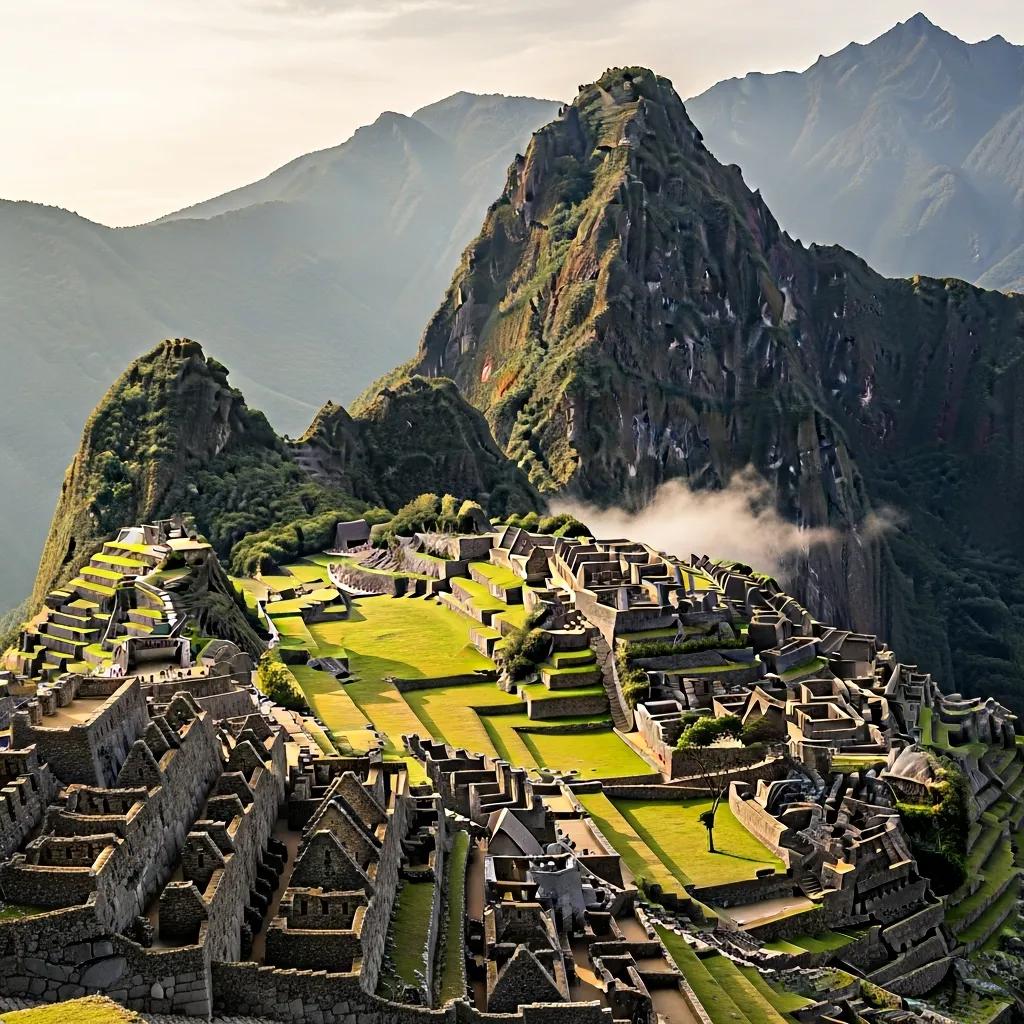
Machu Picchu Travel Guide and Must-Visit Inca Ruins in Peru: Plan Your Ultimate Inca Adventure
This guide explains the history, key sites, and practical logistics for Machu Picchu and other must-visit Inca ruins in Peru, and it equips you with itineraries and permit checklists to plan an ultimate Inca adventure. By the end of this article you will understand which Inca citadels are essential, how the Sacred Valley cluster connects archaeologically and logistically, the trekking options and permit timelines for the Inca Trail, and seasonal tips for safe acclimatization. Many travelers struggle to prioritize sites, secure permits, or match routes to fitness levels; this guide clearly ranks sites, compares routes, and breaks planning into actionable steps. The sections below cover the iconic citadels and a compact comparison, Sacred Valley highlights and agricultural engineering sites, trekking routes and permit checklists, regional pre-Inca gems, and a practical planning section with seasonal recommendations and sample 7–10 day itineraries to help you finalize reservations and packing.
Which are the iconic Inca citadels to visit in Peru?
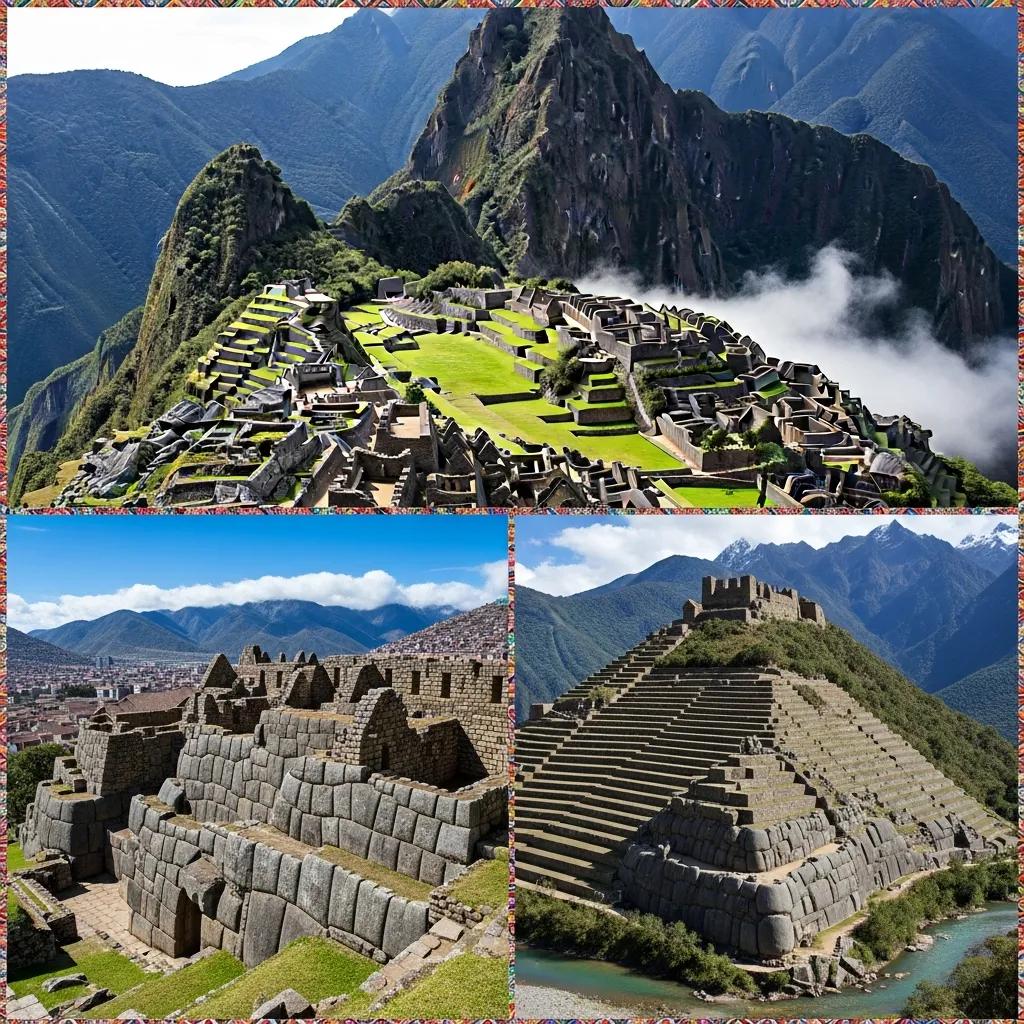
This section lists the top Inca citadels to visit in Peru and summarizes what makes each site distinctive for history, architecture, and visitor access. The numbered list below gives a concise definition of each entry so you can quickly identify which sites fit your interests, whether you prioritize monumental stonework, agricultural innovation, or trekking remoteness. After this ranked list, a comparison table outlines primary function, altitude, nearest hub, and access difficulty to help you choose and sequence visits. Use this quick reference to form an Inca ruins Peru list tailored to your time and fitness.
- Machu Picchu: A highland Inca citadel noted for precision stone masonry, terraces, and ritual spaces set above Aguas Calientes.
- Sacsayhuaman: A massive fortress near Cusco featuring megalithic walls and ceremonial plazas.
- Ollantaytambo: A living Inca town and fortress in the Sacred Valley with well-preserved terraces and urban continuity.
- Pisac: Terrace complex and Sun Temple overlooking a vibrant artisan market and valley agriculture.
- Moray: Concentric agricultural terraces interpreted as Inca microclimate laboratories for crop experimentation.
- Tipon: Renowned for hydraulic engineering with intact irrigation channels and ceremonial terraces.
- Choquequirao: A remote, large archaeological complex often reached by multi-day trek as an alternative to Machu Picchu.
- Qoricancha (Cusco): The Inca Temple of the Sun, notable for its original stonework and Spanish colonial overlay.
The table below compares principal citadels so you can match priorities and logistics.
| Site | Primary Role | Key Visiting Facts (altitude / nearest hub / access difficulty) |
|---|---|---|
| Machu Picchu | Citadel / ceremonial | 2,430 m / nearest hub: Cusco via Aguas Calientes / access: train + bus or trek; moderate logistics |
| Sacsayhuaman | Fortress / ceremonial | 3,700 m / Cusco / access: short drive from Cusco; high altitude but easy access |
| Ollantaytambo | Fortress / urban | 2,792 m / Sacred Valley hub / access: train from Cusco or day trip; easy-moderate |
| Pisac | Terraces / Sun Temple | 2,972 m / Sacred Valley / access: day trip from Cusco or Ollantaytambo; market timing matters |
| Moray | Agricultural laboratory | 3,500 m (approx.) / Urubamba region / access: short drive; easy visit but exposed |
| Tipon | Hydraulic engineering | 2,850 m (approx.) / southeast of Cusco / access: rural roads; moderate due to remoteness |
| Choquequirao | Remote citadel | 3,050–3,100 m / Apurímac valley / access: multi-day trek; difficult |
| Qoricancha | Temple / museum | 3,400 m / Central Cusco / access: in-city; easy |
This comparison highlights that Machu Picchu and Ollantaytambo are visitor-accessible hubs, while Choquequirao requires substantial trekking commitment; choose sites based on altitude tolerance, travel time, and desired immersion.
Machu Picchu: history, architecture, and visiting tips
Machu Picchu is a quintessential Inca citadel constructed in the mid-15th century and rediscovered in the modern era as emblematic of Inca stonecraft and ritual topography. The site exemplifies precise ashlar masonry, stepped terraces for agriculture, and ritual elements such as the Intihuatana stone, with Huayna Picchu forming a meronym of the overall complex and offering iconic viewpoints. For visitors, permits and timed entries control daily numbers, and most travelers access the citadel via train to Aguas Calientes followed by a shuttle bus, or by trekking the Inca Trail. Early morning entries at first light optimize soft lighting for photography and reduce crowding, while acclimatization in Cusco beforehand reduces altitude sickness risk. Understanding Machu Picchu’s layout and key viewpoints prepares you to prioritize sectors—urban core, agricultural terraces, and the Sun Temple—during a single-day visit.
Sacsayhuaman & Ollantaytambo: fortress architecture and Sacred Valley connections
Sacsayhuaman, perched above Cusco, demonstrates Inca engineering with massive interlocking blocks forming defensive walls and ceremonial platforms that relate to the city below. Ollantaytambo, in contrast, functions as both fortress and living Inca town where original street plans and terraces remain integrated with present-day community life, showcasing urban continuity. Both sites illustrate fortress architecture used for defense and ritual: Sacsayhuaman emphasizes megalithic scale while Ollantaytambo highlights terrace engineering and carved rock facades. Travelers can visit Sacsayhuaman as a short excursion from Cusco and combine Ollantaytambo with Sacred Valley travel or as a transit stop en route to Machu Picchu; festivals in both places reinforce their cultural relevance. These complementary experiences reveal how military, agricultural, and civic functions overlapped in Inca provincial planning, and they connect directly to broader Sacred Valley exploration.
Sacred Valley Wonders: Pisac, Moray, Tipon, and beyond
The Sacred Valley forms a geographic and cultural corridor where Inca agricultural innovation, market life, and ceremonial centers cluster within easy travel from Cusco. This H2 explains the valley’s significance, outlines major sites such as Pisac, Moray, Tipon, Chinchero, and Maras, and suggests day-trip combinations for varied interests ranging from markets to hydraulic engineering. The Sacred Valley’s lower altitudes and productive valleys supported staple crops and exchange networks, making these sites essential for understanding Inca agronomy and economy. Below are two focused profiles—Pisac and Moray & Tipon—that detail archaeological features, market dynamics, and engineering lessons useful for planning time in the valley.
The Pisac ruins occupy a hilltop terrace system linked to a Sun Temple and offer panoramic valley views; the adjacent artisan market is a focal point for cultural exchange and crafts. Pisac’s terraces served agricultural and defensive roles, with stone stairways and platforms connecting urban and rural functions, and the market typically operates in morning hours when local producers sell textiles, ceramics, and silverwork. For logistics, Pisac fits well as an early-morning or half-day visit from Cusco or as part of a Sacred Valley loop that includes Ollantaytambo and Urubamba; planning transport around market opening ensures the best experience and allows time to view the archaeological sector before midday heat.
Moray’s concentric terraces function as experimental agricultural gardens that created discrete microclimates across concentric levels and likely allowed the Incas to trial crops at varied thermal bands. Tipon complements Moray by showcasing intricate hydraulic engineering: channels, aqueducts, and terraces demonstrate controlled water flow tied to ritual and productive landscapes. Together, Moray and Tipon illustrate the Inca’s systematic approach to crop variation and irrigation, revealing technical knowledge that sustained highland agriculture. Visitors often pair these sites in a single day because of proximity, and interpretation benefits from guided explanations of microclimate effects and visible waterworks.
Further emphasizing the Incas’ advanced understanding of water management, historical accounts and archaeological studies highlight Tipon as a prime example of their sophisticated hydraulic engineering.
Tipon: Inka Hydraulic Engineering & Agricultural Platforms
The site of Tipon, Peru, located about 30 km east of Cuzco, provides an example of Inka knowledge of hydraulic engineering and the civil engineering practices used in the design and operation of the complex water system. The inhabitants of Tipon used river- and spring-sourced surface and subterranean channels to convey, distribute, and drain water to and from multiple agricultural platforms, reservoirs, and urban ceremonial centers.
Tipon: insight into Inka hydraulic engineering practice, 2019
Inca Trail & Trekking Adventures: routes to Machu Picchu
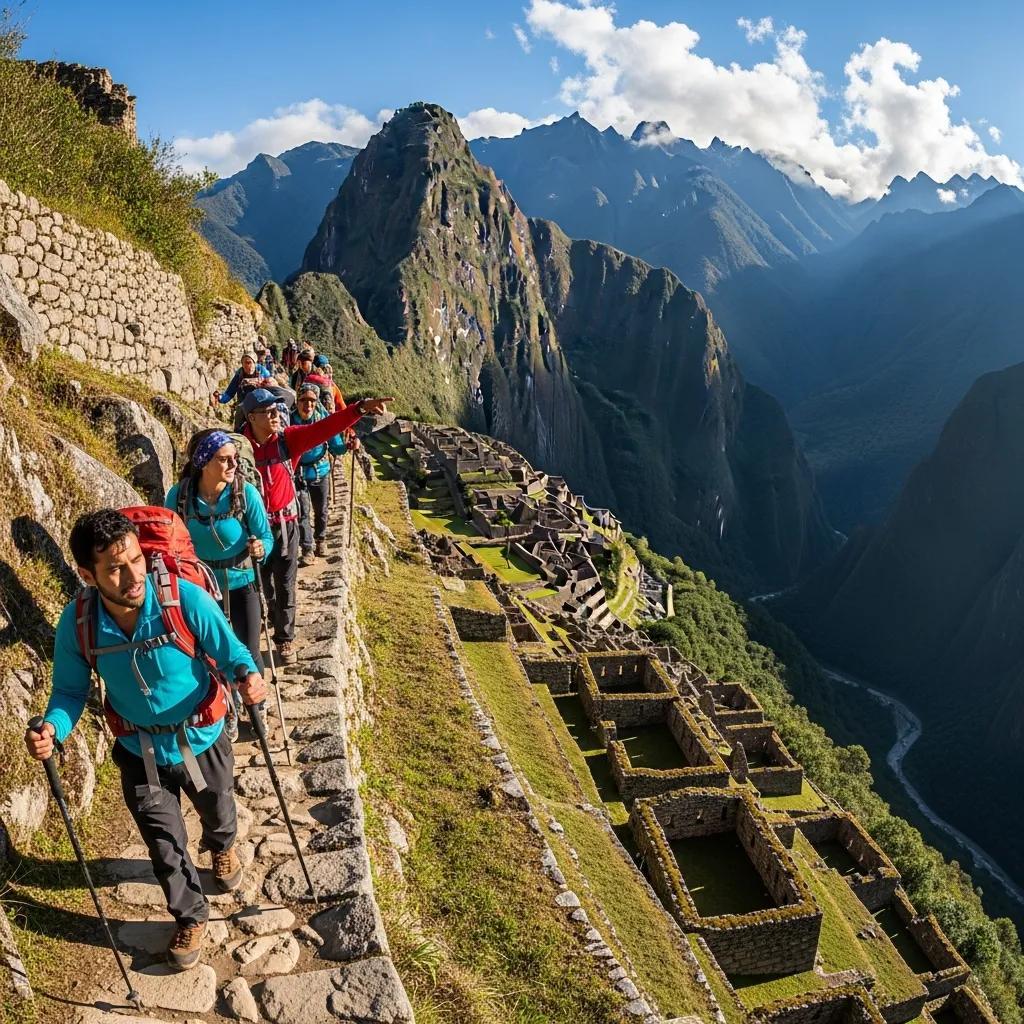
Trekking to Machu Picchu and other remote citadels involves route selection, permit planning, and physical preparation; this section compares primary routes, outlines permit rules for the Classic Inca Trail, and provides a preparation checklist. The Inca Trail functions as a cultural and archaeological corridor linking high Andean passes, ruins, and the Sun Gate approach to Machu Picchu, while alternative treks—Salkantay, Lares, and the Choquequirao route—offer differing scenery and crowd levels. Below is a practical table comparing routes by distance, duration, permit needs, and relative difficulty to help you choose a trek that matches fitness and schedule.
Before considering the specifics, here are the main trekking options summarized:
- Classic Inca Trail: A multi-day, permit-controlled route that ends at Machu Picchu through the Sun Gate.
- Salkantay Trek: A high-mountain alternative with glacier views and varied camping but no Inca Trail permit.
- Lares Trek: Cultural immersion in Andean communities with textile markets and moderate altitude exposure.
- Choquequirao Trek: Longer, remote, and less-crowded, leading to a Choquequirao approach rather than Machu Picchu.
| Route | Distance / Duration | Permit Requirement | Difficulty |
|---|---|---|---|
| Classic Inca Trail | ~43 km / 4 days | Official permits required and limited | Moderate–challenging (high passes) |
| Salkantay | ~60–70 km / 4–5 days | No Inca Trail permit; park passes for Machu Picchu required | Challenging (high altitudes) |
| Lares | ~33–40 km / 3–4 days | No Inca Trail permit; easier logistics | Moderate (community visits) |
| Choquequirao | ~60–70 km / 4–5+ days | No Inca Trail permit; more remote logistics | Very challenging (steep ascents) |
Preparing for any trek requires early permit booking, staged acclimatization, and a clear packing list. The Classic Inca Trail’s permit window closes months in advance for popular dates, so secure reservations early and confirm luggage/portering arrangements. For alternatives like Salkantay or Lares, choose licensed tour operators and verify included gear and altitude support. Proper preparation sets expectations for elevation change, campsite conditions, and trail difficulty.
Securing your spot on the Classic Inca Trail is a critical step, as official sources confirm the necessity of booking permits well in advance due to strict government regulations.
Machu Picchu Inca Trail Permit Booking
If you want to visit Machu Picchu via the classic Inca Trail, you’ll need a government permit, which you’ll need to book a permit months.
FODOR’S ESSENTIAL PERU: With Machu Picchu & the Inca Trail, 2024
The Inca Trail: permits, routes, and preparation
The Classic Inca Trail requires official permits that limit the number of trekkers per day, making early booking essential—permits typically sell out several months in advance for peak season. The trail is structured in stages over four days: high-altitude passes with exposed weather on day two, archaeological stopovers on day three, and final approach through the Sun Gate on day four, offering the meronymic experience of Huayna Picchu and Machu Picchu arrival. Preparation should prioritize aerobic fitness, multi-day backpacking experience, and gradual acclimatization in Cusco or the Sacred Valley to reduce acute altitude symptoms. Packing essentials include layered clothing, a quality sleeping system, rain protection, water purification, and electrolytes; last-minute logistics often involve arranging luggage transfers and confirming train or bus returns from Aguas Calientes. Safety considerations include following trail regulations, carrying basic first-aid, and respecting carry limits and park rules.
The journey along the Classic Inca Trail is more than just a hike; it’s an immersive experience that connects trekkers with the ancient lifestyle and spiritual essence of the Inca.
Inca Trail: 4-Day Trek & Ancient Lifestyle Experience
classic trail in 4 days. They are experiencing the physical efforts and spirituality of the ancient lifestyle of the Inca.
Peru” Land of the Incas”. A tourism destination on the rise, 2019
Choquequirao and other trekking options: alternatives to Machu Picchu
Choquequirao offers a compelling alternative to Machu Picchu for travelers seeking fewer crowds and larger-scale explorations of Inca architecture in a remote setting; its site plan and terraces rival Machu Picchu in scale but require multi-day trekking commitments. Compared to the Classic Inca Trail, Choquequirao routes are longer, include steep ascents and descents, and typically involve camping in more isolated conditions, making them suitable for experienced backpackers. Other options like the Salkantay and Lares treks trade the archaeological corridor of the Inca Trail for high-mountain scenery or cultural immersion, and they often culminate with train access to Aguas Calientes rather than the Sun Gate approach. Choose alternatives if you prefer solitude, varied landscapes, or community-based travel, and prepare for longer lead times and more self-sufficiency on remote routes.
Lesser-Known & Regional Gems: Qoricancha, Kuelap, Caral-Supe
Beyond classic Inca citadels, regional and pre-Inca sites broaden historical perspective and show cultural continuities across Andean civilizations; this H2 profiles Qoricancha in Cusco and the pre-Inca complexes of Kuelap and Caral-Supe. These sites are hypernyms for Andean archaeological sites and help situate Inca achievements within longer regional histories and earlier urban development. Short profiles below explain why each site matters and how to include them in itineraries without sacrificing core Inca visits.
Qoricancha served as the Inca Temple of the Sun and later experienced Spanish colonial overlay when religious and administrative structures were built atop Inca stone foundations. The contrast between original Inca masonry and colonial architecture illustrates cultural and material continuity as well as disruption after conquest. For visitors based in Cusco, Qoricancha is easily accessible as an in-city visit and pairs well with museums and walking tours that contextualize Inca astronomy and ritual. A careful reading of the site’s stonework reveals engineering principles later visible in outlying citadels, and understanding this overlay enhances appreciation for preservation challenges.
Kuelap and Caral-Supe represent non-Inca or pre-Inca urban traditions that expand understanding of Andean development: Kuelap’s defensive stone walls reflect Chachapoya social organization, while Caral-Supe evidences one of the oldest planned urban centers in the Americas. Kuelap requires travel to northern highlands and often a cable-car or steep approach, making it appealing to archaeology enthusiasts who favor remote, fortress-like architecture. Caral-Supe, on the central coast, demonstrates early maritime-agricultural economies and early urban planning that predate the Inca. Both sites reward travelers interested in long-term cultural trajectories and diversify a Peru itinerary beyond classic Inca citadels.
Plan Your Peru Inca Ruins Journey: Best time, logistics, and itineraries
This practical planning section provides seasonal guidance, health and safety considerations for altitude, permit timelines for key attractions, and sample itineraries for 7–10 day trips. The guidance below helps you choose the best months for weather and crowd balance, schedule permits and trains, and assemble a realistic day-by-day plan that matches your travel pace. A compact planning table follows to give immediate reference for best seasons, travel time from Cusco, and permit notes for primary sites.
| Site / Planning Focus | Best Season | Travel Time from Cusco | Permits / Notes |
|---|---|---|---|
| Machu Picchu | April–October (dry season) | 3–4 hours (train + bus) | Timed entry + visitor limits; book trains & permits early |
| Inca Trail | April–October | Trailhead from Ollantaytambo region | Official Inca Trail permits required months ahead |
| Sacred Valley sites (Pisac, Ollantaytambo) | Year-round (shoulder seasons less crowded) | 30–90 minutes | No special permits; plan market timing |
| Choquequirao | April–October | Multi-day trek from Apurímac valley | No Inca Trail permit; remote logistics |
| Kuelap / Caral-Supe | Dry months preferred | Flight/ground travel varies | Regional access logistics; check local transport |
Below are seasonal and itinerary specifics including health advice and a compact checklist for action items.
Best time to visit and seasonal considerations
The dry season, typically April through October, offers the most reliable weather for trekking and highland exploration, with clearer skies and lower chances of heavy rain that can affect trails and train schedules. Shoulder months (April–May and September–October) balance decent weather with fewer crowds, while peak months like June–August see higher visitor numbers and earlier permit sell-outs; rainy season (November–March) includes heavier precipitation that complicates trekking and can cause trail closures. Festival timing—such as Cusco’s Inti Raymi in June—draws cultural interest but also larger crowds and higher prices, so align travel goals with either festival attendance or quieter exploration. For altitude-sensitive travelers, plan acclimatization days in Cusco or the Sacred Valley and follow a conservative ascent profile to reduce acute mountain sickness risk.
- Dry season (Apr–Oct): Best for trekking and clear views.
- Shoulder months: Good weather + fewer crowds.
- Wet season (Nov–Mar): Expect trail closures and muddy conditions.
Acclimatization and health precautions are essential; ascend gradually, hydrate, and avoid heavy exertion on the first day. Carry a small altitude kit and consult with health professionals about medications if you have prior altitude sensitivity.
Sample itineraries: 7– to 10-day options
- 7-day Active: Cusco → Sacred Valley → Classic Inca Trail → Machu PicchuDay 1: Arrive Cusco, light city acclimatization.Day 2: Sacred Valley highlights (Pisac, Ollantaytambo).Days 3–6: Classic Inca Trail (permits required), arrive Machu Picchu day 6.Day 7: Return to Cusco; debrief and departure.
- 8-day Balanced: Cusco base + Sacred Valley + Train to Machu PicchuDay 1–2: Cusco acclimatization and Qoricancha visit.Day 3: Pisac market and Moray/Maras tour.Day 4: Ollantaytambo and overnight.Day 5: Train to Aguas Calientes; Machu Picchu early entry day 6.Day 7–8: Return and buffer day for travel contingencies.
- 10-day Relaxed: Include Kuelap or Choquequirao alternativeAdd days for regional travel to Kuelap or a multi-day Choquequirao trek, plus rest days for acclimatization and local cultural immersion.
- Booking checklist:Reserve Inca Trail permits and train tickets early (peak season sells out).Book accommodations in Cusco and Aguas Calientes during travel window.Confirm internal flights and regional transfers for distant sites (Kuelap/Caral).
For more practical planning and trip-resource checklists, The Brothers Bloom’s Guides & Tips editorial hub curates how-to articles and planning notes that cover travel logistics, packing lists, and decision frameworks for choosing routes and pacing. The Brothers Bloom operates as a content-focused domain that categorizes material under Home Maintenance, Renovations & Design, Real Estate, and Guides & Tips; its editorial approach emphasizes research-backed guidance and practical checklists useful for trip organization. Consult such editorial hubs to cross-check permit timelines, sample packing lists, and the latest seasonal advisories before final bookings.
- Action items before departure: obtain necessary permits, secure train and accommodation bookings, and build in acclimatization days.
- On-trip priorities: pace yourself for altitude, respect site preservation rules, and allocate time for key viewpoints and markets.
This planning framework equips you to move from high-level priorities to concrete bookings, with margin days to accommodate weather, permits, and cultural opportunities.
Leave a Reply