Retreats: Your Ultimate Guide to Corporate, Wellnesshj, and Team Building Experiences
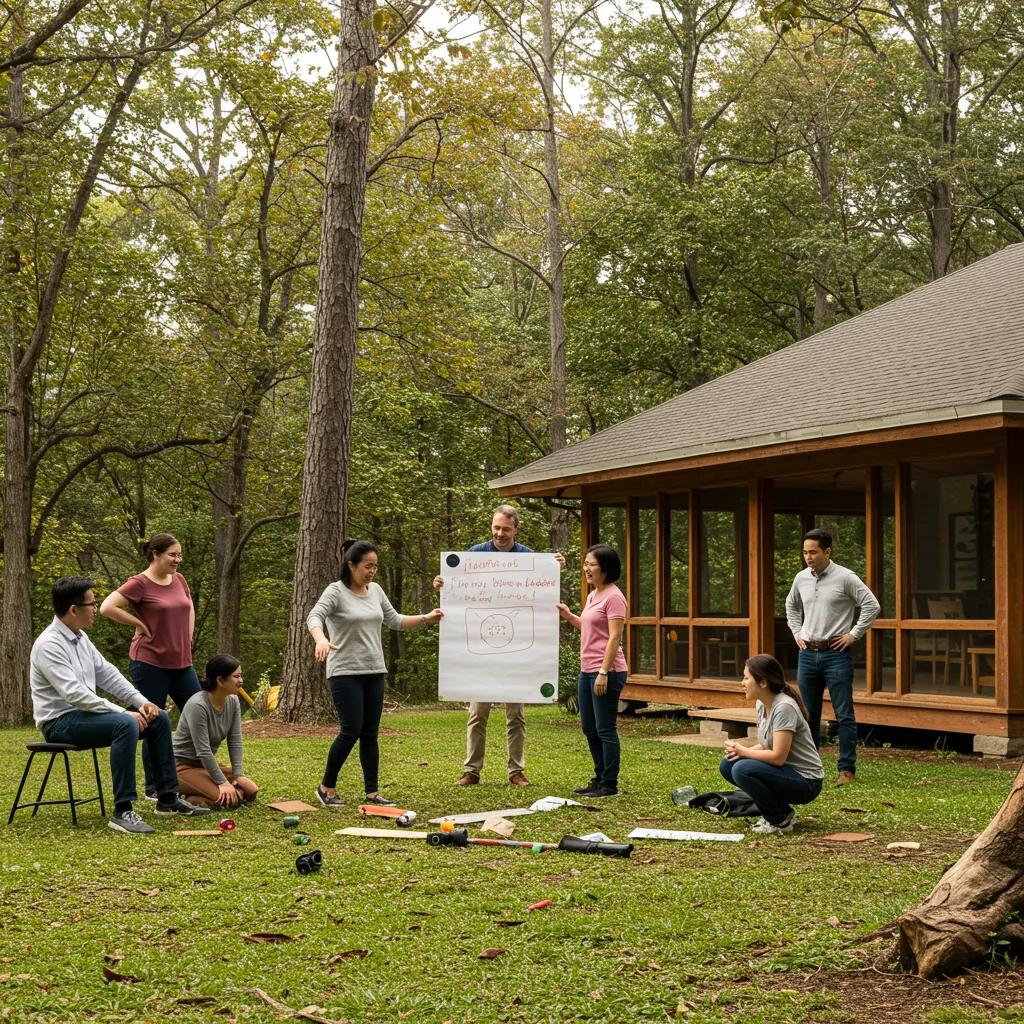
Retreats are powerful tools for transforming groups into high-performing teams, revitalizing individual well-being, and sparking fresh ideas by stepping away from daily distractions. This guide offers practical insights for planning corporate offsites, choosing immersive wellness programs, and designing team-bonding adventures. You’ll discover how to unlock measurable engagement, reduce stress, and foster innovation. We’ll explore why retreats are essential, the most effective formats, top destinations across Europe and North America, and how to measure their return on investment. Additionally, we delve into wellness themes—from yoga and mindfulness to detox escapes—and detail team-building strategies for on-site, virtual, and hybrid groups. Finally, a step-by-step planning blueprint ensures every retreat aligns perfectly with your objectives, budget, and company culture. Drawing on industry best practices and expert facilitation methods, this resource combines transformative retreat design with top-tier event planning expertise.
What Are Corporate Retreats and Why Do They Matter?
Corporate retreats are structured off-site events designed to bring employees together around specific objectives, such as aligning strategies, developing leadership skills, or strengthening company culture. By moving discussions away from the usual office environment, these gatherings encourage open dialogue, build stronger relationships, and foster new perspectives. Companies that invest in retreats often report significantly higher job satisfaction and a notable decrease in voluntary turnover, demonstrating how well-planned off-sites can boost retention, productivity, and overall morale.
To highlight the key factors contributing to successful corporate retreats, consider these essential elements:
- Boosted Communication – Structured workshops help break down departmental silos and speed up problem-solving.
- Strategic Alignment – Facilitated sessions ensure that leadership and teams are on the same page with a unified vision.
- Stronger Relationships – Shared experiences outside of the typical work setting build trust and empathy across different teams.
Effective corporate retreats skillfully blend expert facilitation with organizational goals, paving the way for deeper team engagement in subsequent discussions about activity design and venue selection.
How Do Corporate Retreats Enhance Employee Engagement and Productivity?
Corporate retreats boost engagement by creating immersive environments where employees feel valued, heard, and empowered to contribute their best. Facilitated exercises focused on active listening, providing real-time feedback, and collaborative problem-solving increase commitment to shared objectives. When participants build trust through activities that encourage vulnerability, their willingness to innovate and take ownership grows. Studies indicate that engaged teams achieve up to 12 percent higher productivity, directly linking retreat-driven engagement strategies to improved performance. Moving from general benefits to specific retreat formats reveals how different types of off-sites can address unique organizational needs.
What Types of Corporate Retreats Are Most Effective?
The most effective corporate retreats typically fall into three main categories: leadership development, team-building intensives, and strategic planning sessions. Leadership development retreats focus on executive coaching, scenario simulations, and decision-making frameworks to cultivate visionary thinking. Team-building intensives utilize problem-solving activities like escape-room challenges and design sprints to enhance collaboration. Strategy sessions combine market analysis, goal-setting workshops, and road-mapping exercises to align teams on key objectives. Each format delivers specific outcomes—from stronger leadership pipelines to clearer strategic roadmaps—leading into the next discussion on selecting activities for maximum impact.
Which Activities Boost Team Bonding During Corporate Retreats?
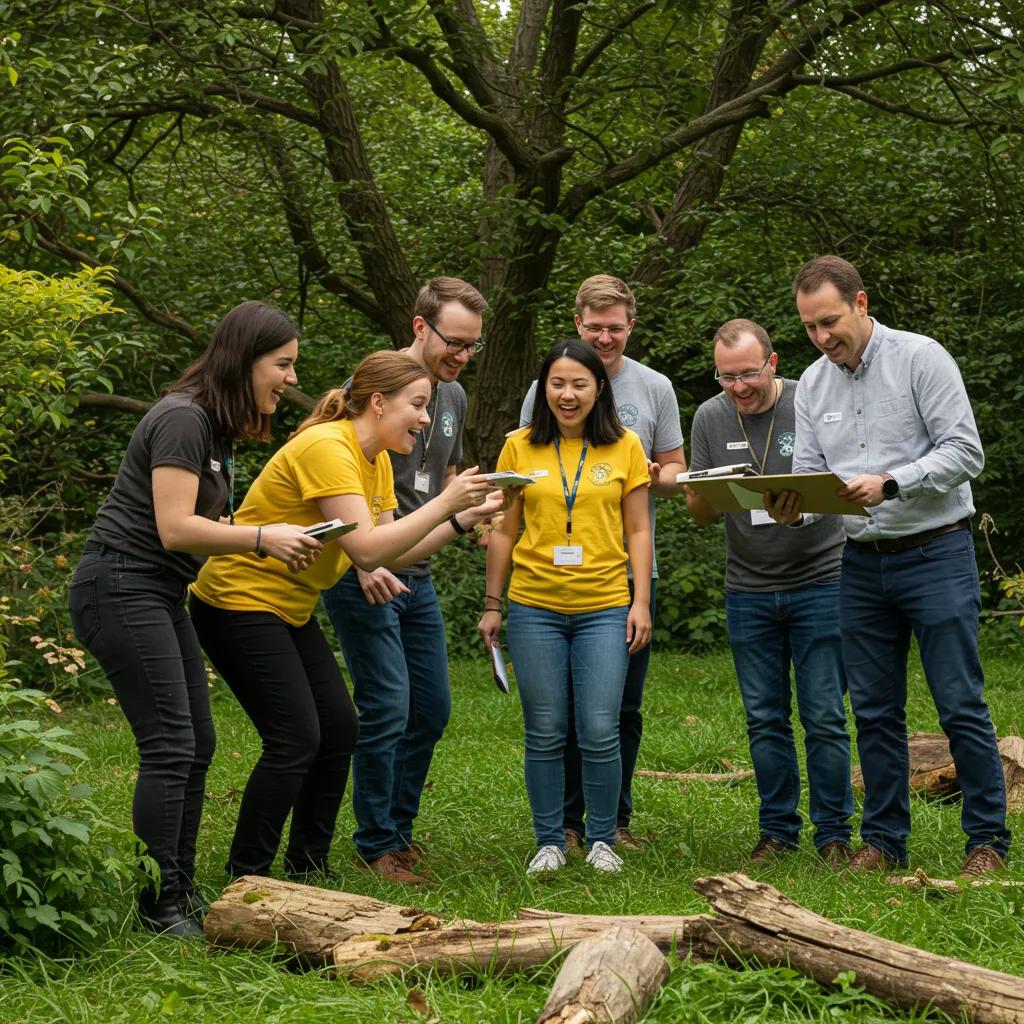
When planning corporate retreat agendas, activities that balance challenge, creativity, and reflection are key to fostering deep connections. Outdoor problem-solving exercises, such as scavenger hunts, encourage teams to coordinate effectively under pressure. Creative workshops—like collaborative art projects—tap into diverse thinking styles and reveal hidden team strengths. Mindfulness breaks provide opportunities for collective relaxation, enhancing emotional intelligence. This table compares popular activities and their connection to core retreat objectives:
| Activity Type | Objective | Outcome |
|---|---|---|
| Escape-Room Challenge | Problem Solving | Strengthened collaborative decision-making |
| Scavenger Hunt | Communication | Improved coordination under time pressure |
| Collaborative Workshop | Creativity | Revealed latent team strengths |
| Guided Reflection | Emotional Intelligence | Enhanced empathy and stress resilience |
These activities help set the stage for choosing the best venues that support both structured collaboration and informal networking.
Where Are the Best Corporate Retreat Locations in Europe and North America?
The choice of corporate retreat location significantly influences the atmosphere, logistics, and participant engagement. Mountain lodges in the Alps offer inspiring high-altitude settings with panoramic views that encourage big-picture thinking. Coastal estates along the Mediterranean provide serene environments ideal for strategic workshops and relaxation. In North America, forested resorts in the Pacific Northwest combine indoor meeting facilities with outdoor adventure opportunities, fostering creativity through nature immersion. Venues located on the outskirts of major cities offer convenient travel access while maintaining a secluded retreat feel. Each setting balances accessibility, amenities, and ambiance to reinforce retreat objectives and cultural fit.
How Can You Measure the ROI of Corporate Retreats?
Measuring the return on investment for retreats starts with defining clear performance indicators related to engagement, productivity, and retention. Pre- and post-retreat surveys can quantify changes in team cohesion and motivation. Productivity metrics—such as project completion rates and time-to-market—help track operational impact. Analyzing retention rates before and after retreats reveals cost savings from improved employee loyalty. A simplified ROI calculation could include:
- Retreat expenses (venue, facilitation, travel)
- Productivity gains (measured in revenue increase)
- Retention savings (reduced hiring and training costs)
Quantifying these elements provides evidence-based validation for your off-site investment and highlights the strategic value of structured corporate retreats.
What Are Wellness Retreats and How Do They Support Holistic Well-being?
Wellness retreats integrate physical, mental, and spiritual practices to restore balance, reduce stress, and promote personal growth. By combining guided mindfulness, movement sessions, and nutritional coaching in tranquil settings, participants can disconnect from workplace pressures and reconnect with their inner resilience. Research indicates that immersive wellness experiences lead to sustained reductions in stress hormones, improved sleep quality, and enhanced emotional regulation. Understanding the full range of wellness retreat formats naturally leads to exploring their diverse types and unique benefits.
What Types of Wellness Retreats Are Available?

Wellness retreats offer customized experiences across various modalities to meet diverse health goals. Yoga retreats focus on asana sequences and breathwork to improve flexibility and mental clarity. Meditation retreats immerse participants in guided mindfulness and silent practice for deeper self-awareness. Detox programs combine cleansing diets with infrared sauna sessions to support cellular rejuvenation. Spa-centric retreats prioritize hydrotherapy, massage, and restorative treatments for physical renewal. This variety allows individuals to choose programs that align with their specific wellness objectives and provides a foundation for planning a personalized retreat itinerary.
Research in wellness tourism emphasizes the importance of community and environmental factors in fostering overall well-being.
Community and Wellness in Retreat Settings
The objective of this dissertation was to determine the characteristics of and relationships among wellness, positive psychological well-being, transformative experiences, and overall quality of life within a tourism context. To achieve this, three independent articles addressed eight research questions using both qualitative and quantitative methodologies. The first article investigated holistic wellness through the qualitative analysis of 1,216 TripAdvisor reviews. Employing netnography in conjunction with exploratory inductive framework analysis, four dimensions of wellness were identified: body, mind, spirit, and environment (Dunn, 1959). The study’s findings were diverse, highlighting both impediments and facilitators to wellness. The results indicated the potential for wellness tourism to deliver impactful and memorable wellness travel experiences.
The Significance of Community in Wellness Service Design: The Case of Retreats, 2015
How Do Wellness Retreats Reduce Stress and Promote Personal Growth?
Wellness retreats alleviate stress by employing mind-body techniques that interrupt habitual tension patterns. Breathwork and guided meditation activate the parasympathetic nervous system, leading to lower heart rate and reduced cortisol levels. Movement practices like yoga and qigong stimulate endorphin production and improve circulation. Nutritional guidance supports gut-brain health, contributing to more stable moods. Collectively, these interventions encourage self-reflection, build resilience, and foster behavioral insights that translate into lasting personal growth, leading into practical planning considerations for success.
How Do You Plan a Successful Wellness Retreat?
Planning a wellness retreat begins with establishing a clear theme—such as mindfulness immersion or detox rejuvenation—and identifying expert facilitators with relevant credentials. Create a balanced schedule that alternates movement classes, reflective workshops, and restorative breaks. Choose accommodations that offer healthy dining options, quiet spaces, and on-site treatment facilities. Implement feedback mechanisms through daily check-ins to ensure participant needs are met. A detailed pre-retreat survey helps clarify individual preferences, enabling customization that maximizes engagement and outcome alignment.
Which Wellness Retreat Destinations Are Most Popular?
Popular wellness destinations combine stunning natural beauty with well-established holistic infrastructure. The Arizona desert is home to world-class spa resorts offering energy healing and sunrise yoga. The Himalayas provide serene meditation centers steeped in ancient monastic traditions. Coastal regions of Southern Europe offer Mediterranean diets alongside seaside breathwork sessions. Forested retreats in Scandinavia utilize forest bathing and cold-water therapy for immune system support. Each location enhances specific aspects of well-being, guiding choices based on desired health outcomes and logistical feasibility.
What Mindfulness Practices Are Common in Wellness Retreats?
Mindfulness practices are central to many wellness retreats, cultivating sustained present-moment awareness. Guided meditation sessions use focused attention and body scans to reduce rumination. Breathwork workshops teach techniques like box breathing to regulate autonomic responses. Walking meditations integrate movement and sensory focus, connecting participants with their surroundings. Loving-kindness exercises foster compassion and interpersonal empathy. By incorporating these practices into daily schedules, retreats help establish habits that extend beyond the program, reinforcing long-term mental and emotional well-being.
How Do Team Building Retreats Foster Collaboration and Innovation?
Team building retreats focus on shared challenges and creative problem-solving activities that strengthen collaboration, trust, and collective innovation. Structured experiences—such as design sprints and role-playing workshops—immerse participants in rapid feedback cycles that refine communication and decision-making skills. When teams successfully navigate simulated obstacles together, they develop a sense of shared accomplishment that translates into increased engagement back in the workplace. This foundation sets the stage for identifying the best activities and formats for in-person, hybrid, or virtual teams.
What Are the Best Team Building Activities for Retreats?
The most effective team building activities combine clear objectives with engaging execution. Escape-room challenges enhance strategic planning under time constraints. Scavenger hunts across the venue grounds promote adaptive communication and calculated risk-taking. Collaborative hackathons or design sprints focus on real business challenges, aiming to produce tangible prototypes by the end of the session. Artistic workshops—like group mural painting—encourage nonverbal collaboration and celebrate diverse perspectives. Selecting activities that match the team’s maturity and objectives ensures the development of lasting collaboration skills.
How Do Team Building Retreats Improve Communication and Company Culture?
Team building retreats enhance communication by creating structured environments where feedback and idea-sharing are encouraged and normalized. Facilitators use debrief sessions to identify behavioral patterns, highlight effective communication strategies, and address unconscious biases. When teams practice transparent communication in low-stakes settings, trust deepens, reducing workplace friction. An open culture established during the retreat carries forward into daily operations, strengthening alignment on values, goals, and collaborative norms throughout the organization.
How Can Remote and Hybrid Teams Benefit from Virtual or In-Person Team Building Retreats?
Remote and hybrid teams gain significant benefits from retreats—whether virtual or in-person—by reinforcing connections that can be strained by geographic distance. Virtual off-sites utilize interactive platforms for breakout challenges and digital whiteboard co-creation, replicating the energy of in-person collaboration. Hybrid retreats combine central gatherings with local satellite hubs, using live-streamed facilitation to include distributed members. Both approaches emphasize synchronous interaction, collective storytelling, and shared successes, bridging digital divides and revitalizing team cohesion for all participants.
How to Plan a Retreat: Step-by-Step Guide for Corporate and Wellness Events
A successful retreat starts with a clear purpose, a defined audience, and measurable goals. This guide provides actionable steps to ensure alignment between objectives, budget, and logistics. Following this framework leads to a well-balanced itinerary, optimal venue selection, and meaningful experiences that leave a lasting positive impression long after participants return to their daily routines.
What Are the Key Steps in Planning a Successful Retreat?
Begin by clearly defining the retreat’s primary objective, whether it’s strategic alignment, stress reduction, or team bonding. Next, establish a realistic budget that covers venue, facilitation, materials, and travel expenses. Conduct site visits or virtual tours to confirm that the venue offers the necessary amenities and is easily accessible. Design an itinerary that includes a mix of workshops, activities, and downtime. Finally, implement feedback mechanisms—such as surveys and debrief sessions—to assess outcomes and inform future improvements.
How Do You Choose the Right Retreat Venue?
Selecting the ideal venue involves evaluating its amenities, atmosphere, and logistical suitability. Prioritize locations with flexible meeting spaces, reliable technology, and healthy dining options. Assess the ease of travel for all participants, including those who are remote or traveling internationally. Look for venues that provide both structured meeting areas and comfortable informal spaces to accommodate various program elements. Cultural alignment—such as eco-friendly practices or integration of local wellness traditions—can further enhance the retreat experience.
How Can You Create a Balanced Retreat Itinerary?
A balanced itinerary thoughtfully alternates focused sessions with restorative breaks. Start each day with an energizing activity—such as group movement or a problem-solving challenge—followed by reflective workshops and opportunities for informal networking. Include mindfulness pauses during the day to help participants reset their focus and manage stress. Conclude with collective debriefs to capture key insights and reinforce learning outcomes. This structure helps maintain engagement, promotes learning, and minimizes the risk of burnout during multi-day programs.
What Budget Factors Should You Consider When Planning a Retreat?
Budget considerations include both fixed and variable costs: venue rental fees, catering, facilitator fees, materials, and transportation. It’s also wise to include contingency funds for unexpected changes or additional needs. Estimate potential ROI by projecting gains—in engagement, productivity, or retention—against the total expenses. Strategic budgeting ensures transparency with stakeholders and enables data-driven decisions regarding investment levels for future retreats.
What Are the Benefits of Corporate Retreats for Employee Engagement and Retention?
Corporate retreats offer numerous benefits that enhance both individual satisfaction and overall organizational performance. By addressing fundamental human needs—such as recognition, professional development, and a sense of belonging—off-sites can significantly boost motivation and loyalty. Understanding these specific impacts clarifies why retreats are a valuable investment in workforce development and sets the stage for detailed insights into motivation, turnover reduction, and leadership skill enhancement.
How Do Corporate Retreats Increase Employee Motivation and Satisfaction?
Corporate retreats boost motivation by acknowledging employee contributions through structured recognition events and interactive showcase sessions. Small-group workshops designed to highlight individual strengths encourage personal growth and reinforce career development paths. When employees see a tangible investment in their development, their satisfaction levels increase—research suggests a 91 percent rise in motivation following well-executed off-site programs. This improved morale directly contributes to reduced absenteeism and increased discretionary effort.
What Impact Do Retreats Have on Reducing Employee Turnover?
Retreats help reduce employee turnover by strengthening organizational commitment and reinforcing cultural connections. Shared experiences outside of the regular work context build social capital, making employees feel more connected to their colleagues and the company’s values. Case studies show that companies that organize annual retreats experience a decrease in turnover by up to 32 percent, resulting in substantial savings on recruitment and training expenses. This retention benefit highlights retreats as a strategic tool for long-term talent management.
How Do Leadership Development Retreats Build Strategic Thinking Skills?
Leadership development retreats immerse current and aspiring leaders in scenario planning, role-play simulations, and peer coaching circles that mirror complex business challenges. These experiences sharpen strategic thinking by exposing participants to diverse, cross-functional perspectives and risk-assessment exercises. Follow-up accountability structures—such as action-plan partnerships—ensure that insights gained are translated into concrete organizational initiatives, fostering a culture of thoughtful decision-making and continuous improvement.
What Are the Different Types of Retreats and How Do They Compare?
Retreats encompass a variety of formats, including corporate, wellness, spiritual, digital detox, and creative—each offering distinct combinations of objectives, activities, and outcomes. Comparing these types helps clarify which model best aligns with your specific goals, audience, and desired impact, guiding you toward selecting a retreat that meets particular personal or organizational needs.
| Retreat Type | Primary Objective | Core Activities |
|---|---|---|
| Corporate | Engagement & Strategy | Workshops, team challenges, planning labs |
| Wellness | Holistic Well-being | Yoga, meditation, nutrition coaching |
| Spiritual | Inner Reflection | Silent meditation, scriptural study |
| Digital Detox | Tech Disconnection | Nature immersion, mindfulness practices |
| Creative | Innovation & Expression | Art workshops, storytelling circles |
How Do Corporate, Wellness, and Spiritual Retreats Differ?
Corporate retreats are geared towards business objectives—such as alignment, productivity, and culture—through facilitated workshops and team challenges. Wellness retreats focus on physical and mental restoration using yoga, guided meditation, and nutritional support. Spiritual retreats center on inward journeys through silent practices, scriptural reflection, and communal rituals. Recognizing these fundamental differences ensures you select the retreat type that best suits your group’s aspirations.
What Are Niche Retreat Types Like Digital Detox and Creative Retreats?
Niche retreats cater to specific needs through highly focused programming. Digital detox retreats eliminate screen time and incorporate structured nature immersions to help participants reset their cognitive capacity. Creative retreats provide a space for artistic exploration—offering painting, writing, or music sessions designed to unlock innovative thinking. These specialized formats deliver targeted benefits, whether it’s reducing digital overload or sparking new ideas, and can complement broader corporate or wellness objectives.
How Can You Select the Best Retreat Type for Your Goals?
Choosing the most suitable retreat type begins by matching your primary objective—whether it’s enhancing engagement, reducing stress, or fostering creativity—with the characteristics of different retreats. Evaluate participant profiles, desired outcomes, and budget limitations. Use decision criteria such as facilitator expertise, venue capabilities, and measurable results. A simple scoring matrix that aligns goals with retreat attributes can help determine the optimal format, ensuring your investment leads to both immediate impact and lasting transformation.
Retreats offer a proven framework for elevating engagement, well-being, and innovation across organizations and for individuals. By understanding the distinct formats—from corporate strategy off-sites to holistic wellness immersions—you can design experiences that resonate with participant needs and deliver measurable results. Following the step-by-step planning guide ensures alignment between objectives, logistics, and budget, while rigorous measurement protocols validate your investment through productivity gains and improved retention. Embrace retreats as a strategic catalyst for growth, connection, and sustained performance.